India crossed 100 unicorns around 2022 and has continued adding since then. It is the world’s third-largest startup ecosystem. Its IT sector employs over 5 million professionals and serves clients across 80 countries. Its manufacturing base is being aggressively positioned as a global alternative to China.
The ambition is real, and so is the scale. But here is what is not keeping pace with that growth: the leadership quality sitting behind it.
Technical capability in Indian organisations is world-class. The ability to lead people through ambiguity, build trust across diverse teams, and make calls under sustained pressure is the gap that keeps showing up with time and circumstances. That gap shows up in attrition numbers and in strategy that never gets executed.
This is exactly why executive coaching in India has moved from a niche conversation to a mainstream organisational investment. India is now the second-fastest-growing coaching market in the world.
The professionals who want to understand what is the future of executive coaching India and what it means for their career, they will get all their answers in this blog.
India is the second-fastest-growing market for professional coaching in the world. The industry here is growing at roughly 50% a year, and that pace is expected to hold for at least the next four to five years. The global executive coaching market is valued at over $9 billion. The certification market around it is projected to reach $27 billion by 2032.
These are not projections about where India might get to someday. They reflect what is already happening in corporate boardrooms, HR budgets, and L&D conversations across the country right now.
Over 70% of Indian organisations have listed leadership development as a top priority in their training budgets. Companies that have gone through structured executive coaching report returns of 5 to 7 times of their investment. Why is India moving this fast? A few reasons that are specific to this market.
Corporate executive coaching in India is increasingly being brought in not just to develop individual leaders but to shift how leadership behaves at a collective level.
A lot of professionals in India still carry the assumption that a good MBA, a certification from a reputed B-school, or a structured leadership training programme covers what they need to grow as leaders. This is worth addressing plainly.
Training gives you knowledge. Coaching produces behavioural change. These are not the same thing, and no amount of the first automatically creates the second.
A leader can come out of a conflict management workshop knowing every model and framework and still shut down a difficult conversation within thirty seconds of it getting uncomfortable. They can understand delegation in theory and still find themselves redoing every piece of work their team submits.
Executive coaching works on the behaviour. A good executive coach does not teach, he asks questions that make a leader think about what they are actually doing.
This is a large part of why demand for executive coach certification in India is growing alongside demand for coaching itself. Organisations that have seen what credentialed coaching delivers are not satisfied with hiring someone who attended a short course and has a certificate. The ICF credential has become the standard that serious HR functions in India look for when they bring coaching into the organisation.
The demand is real, but it is not spread uniformly. Some sectors have moved faster than others.
A few directions are worth paying attention to if you are building a executive coaching practice or considering one.
The executive coaching career in India in 2026 is also for professionals who are not going anywhere. They are staying in their organisations, but they want to lead differently. The ICF credential gives that intention a formal, credible structure.
There are many organisations in India that offer coaching certifications. Some have recognizable names. Some are affiliated with international training brands. Some have essentially decided to issue certificates because the market was asking for them.
The ICF is different because it is not a training provider. It is the global body that sets the standard the training market is measured against. When an Indian corporate HR team specifies that they want a credentialed coach, they mean ICF. When an executive does due diligence on a potential coach, they look for ICF. This has been the case for years in the US and UK. In India, it has become the operating reality at the senior end of the market.
ICF has three credential levels.
For professionals working at the executive level in India, the PCC is generally where serious practitioners land as their primary credential. The ACC gets you in the door. The PCC keeps you in the room.
Before you spend money on any programme, check its accreditation on the ICF programme registry directly. Programmes that say they are “aligned with ICF” or “based on ICF principles” are not the same as ICF-accredited. Hours from non-accredited programmes will not count toward your credential application. Several professionals in India have made that mistake. It is an avoidable one.
The gap in quality between coaching programmes in India is significant. A few things that actually indicate a serious programme.
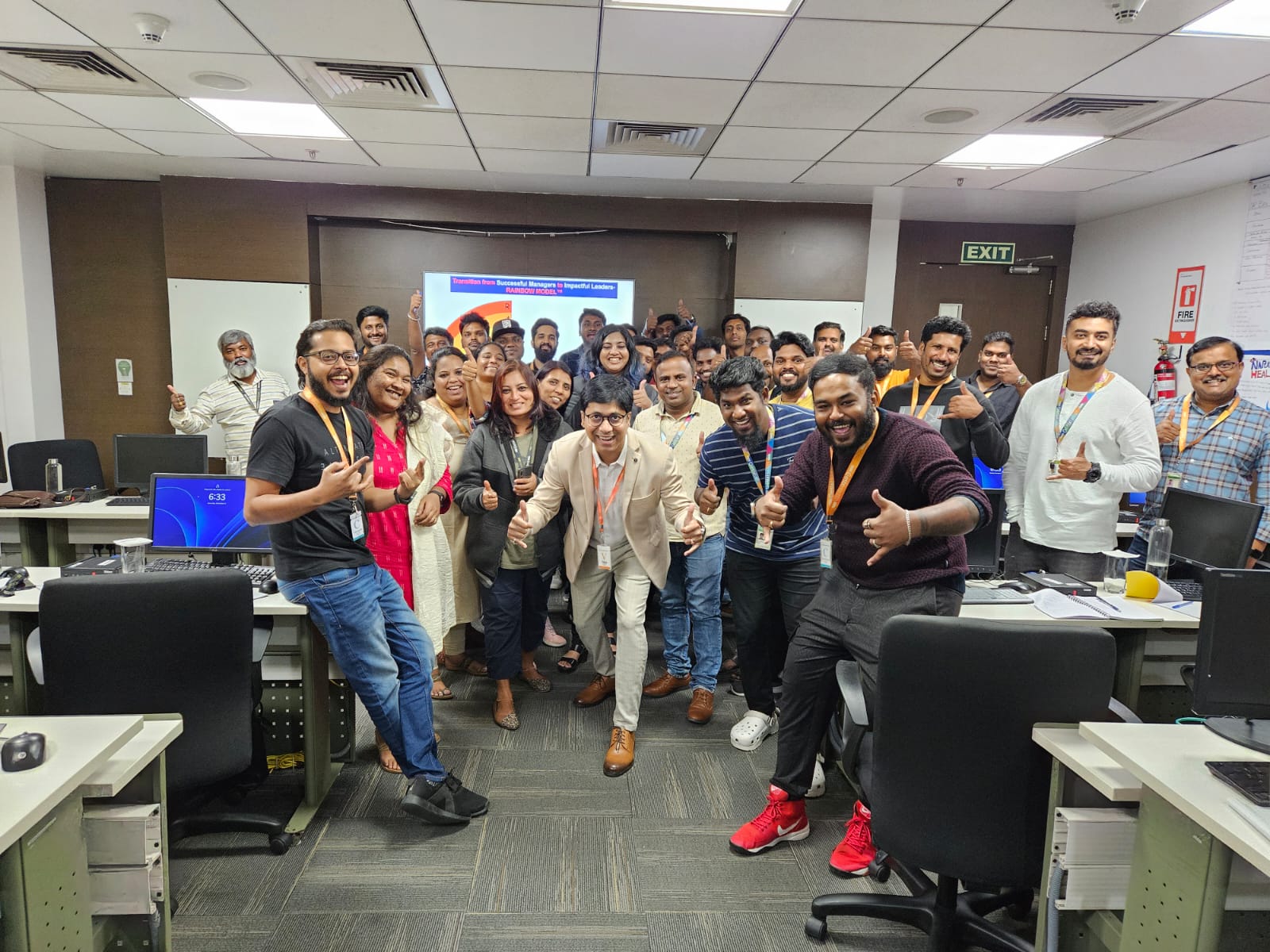
Indian Leadership Academy’s ICF-accredited coaching programmes are MCC-led and run as live online cohorts for working professionals across India.
India is at an interesting inflection point. The economy is producing more senior leaders, faster, than at any point in its corporate history. Startups that were 50 people five years ago are now 5,000. Mid-market companies are going public and building global operations. Family businesses with 40-year histories are bringing in professional leadership for the first time.
All of those leaders need support that goes beyond what a training programme or a management book delivers. The demand for credentialed executive coaches in India is not a passing trend. It is a structural reality that the country’s growth has created.
If you are thinking about executive coaching, whether as a career, a credential to add to your professional practice, or a skill set to bring into your leadership, the time to start is now.