The Indian corporate training market has expanded at a pace that has caught many industry observers off-guard, with L&D spending at mid-to-large organisations growing steadily as companies recognise that internal capability-building requires skilled, certified facilitators, not just subject-matter experts pressed into a training role. Certified facilitators with recognised credentials are in genuine demand from L&D teams across sectors. Yet the market for the best online platforms for train the trainer certification in India is just as cluttered as it is promising: a ₹3,499 e-learning badge and a ₹2,49,999 multi-day intensive can both appear on the same Google results page, and a sales page rarely tells you enough to tell them apart.
This comparison cuts through that noise by evaluating the leading certified trainer course platforms on five concrete criteria: accreditation, curriculum depth, faculty expertise, course fees, and post-certification support. One programme, from the Indian Leadership Academy (ILA), consistently stands apart because it combines coaching-competency-based facilitation methodology with a deep understanding of Indian professional culture that digital-only providers cannot replicate. The sections below explain why that distinction matters for your career, and where each platform genuinely fits.
The certifying body matters more than most buyers realise at the point of purchase. A standalone institutional certificate and one aligned to international standards such as ICF, CPD, or ISTD carry very different weight when a corporate HR team is reviewing your credentials or a procurement manager is empanelling L&D vendors. Accreditation is not just a logo on a certificate; it signals the methodology behind the programme.
Trainer programmes built on competency-based adult learning frameworks, for example, embed evidence-based principles, structured feedback systems, and coaching-style facilitation practices that go well beyond content delivery. Indian employers at mid-to-large organisations increasingly look for globally credible yet contextually relevant credentials, not just completion certificates from platforms they have never heard of.
A 1-day programme and a 2-month programme cannot produce the same trainer competency. The difference between awareness-level content and genuine skill-building depth is significant, and it shows up in how you actually perform in a training room six months later. Look specifically for live practice sessions, peer feedback loops, real training design projects, and assessments that go beyond multiple-choice quizzes.
Short programmes with minimal contact time rarely produce meaningful change in facilitation style. This is not a criticism; it is simply the reality of how adults develop complex interpersonal skills. If the programme cannot tell you exactly how many live practice hours are included, treat that as a red flag.
Many buyers underweight this factor at the point of enrolment, only to find its absence frustrating once the certificate arrives. What happens after you receive the certificate matters as much as the programme itself, particularly if you are building an independent facilitation practice or looking to move into a senior L&D role. Good platforms offer alumni networks, coaching circles, and continued learning resources. Several low-cost platforms offer none of this, leaving graduates essentially on their own the day after completing the course.
ILA’s Train the Trainer certification runs as a virtual classroom programme over approximately two months, delivered as a live online cohort with participants drawn from India’s major cities including Bangalore, Delhi-NCR, Mumbai, Hyderabad, and Chennai. The curriculum is built on a competency-based facilitation methodology that covers structured competency frameworks, adult learning theory, and culturally contextualised case studies that reflect Indian organisational dynamics rather than generic Western corporate examples.
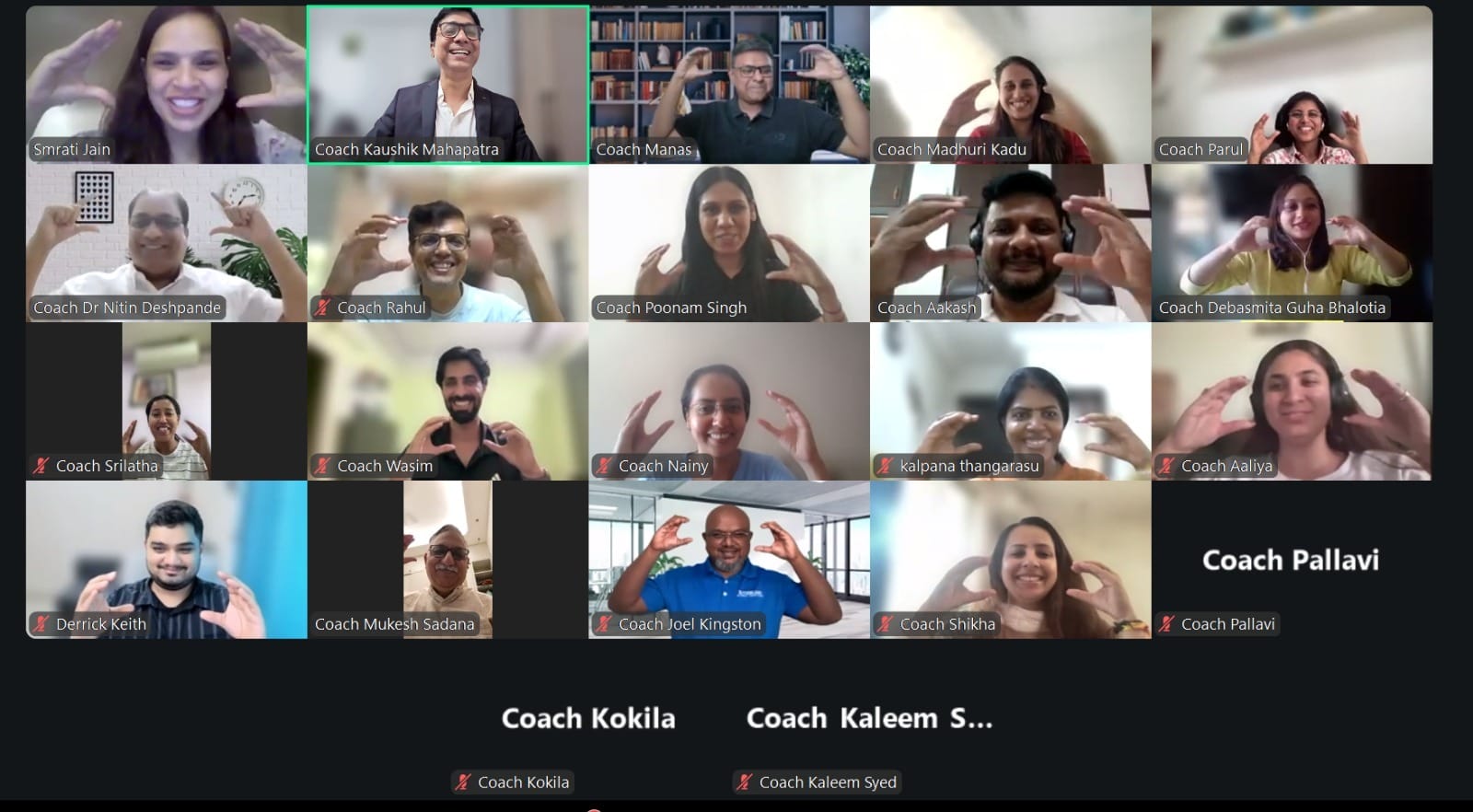
What digital-only platforms find difficult to replicate is the peer learning dynamic that ILA’s pan-India cohort creates. Participants come from diverse corporate cultures across multiple cities, which means the practice sessions and group feedback reflect the actual range of audiences a corporate trainer in India will face. Post-certification, graduates have access to ILA’s practitioner community, coaching supervision, and advanced learning pathways for those who want to continue progressing. For working professionals who need a credential that holds up to scrutiny from senior HR leadership, this is the benchmark.
ISTD (Indian Society for Training and Development) is the most credible India-specific training body credential available. Its certified train the trainer programme is priced at ₹17,000 plus GST (₹12,000 for members) and runs over three days. It is well-recognised within Indian L&D circles and is a reasonable choice for professionals who primarily need an ISTD-affiliated credential for industry peer recognition. The limitation is curriculum depth: three days is not enough contact time for meaningful facilitation skill development.
Henry Harvin offers online instructor-led training at ₹21,500 and a self-paced version at ₹19,350. The programme carries an industry certificate without clear ICF or ISTD affiliation, making it a structured introductory option at a mid-range price point. Henry Harvin does not clearly disclose practical hours upfront, confirm this before enrolling. Both ISTD and Henry Harvin are credible entry points, but neither delivers the methodology depth or post-certification ecosystem of a longer-format programme.
Vskills offers a certified train the trainer course at ₹3,499, fully e-learning based. It is extremely affordable and primarily a knowledge-test format rather than a facilitation skills programme. It is useful for credential signalling on a résumé but unlikely to change how you actually train. The Knowledge Academy starts from ₹24,995 for a 1-day format, which is more suitable as a refresher than a primary certification; the single-day duration is a genuine constraint for skill development at any price point.
Asian College of Teachers delivers through live online webinars and has a better curriculum structure than purely self-paced options, though publicly available data on faculty expertise and post-certification support is limited. The honest framing for all three: price and prestige are not the same thing. A ₹3,499 course that does not change your facilitation skills costs far more in the long run than a higher-investment programme that demonstrably does, particularly when you consider the career premium that recognised certification can unlock.
The TTT market in India has three main credential types, and conflating them is an expensive mistake. Statutory or institutional recognition (ISTD, UGC-linked programmes) carries formal standing within Indian professional bodies. International methodology alignment, such as a curriculum built on ICF’s evidence-based competency model, signals to corporate L&D heads that the programme was built on a rigorous framework. CPD recognition acknowledges professional development hours and is widely accepted internationally but does not carry statutory weight in India.
ICF-aligned, in the trainer certification context, does not mean ICF-accredited in the coaching sense. It means the curriculum draws on ICF’s evidence-based competency model, which many corporate L&D procurement teams recognise as a credibility signal when evaluating external training vendors or internal trainer hires. In 2026, mid-to-large Indian corporates are increasingly specific about what they want: structured facilitation competency, not just a certificate number. Self-paced e-learning badges from non-aligned platforms are unlikely to pass scrutiny in formal vendor empanelment processes, which is a practical concern if you are building an independent consulting practice.
The combination of internationally aligned methodology and Indian cultural context is becoming the differentiator in L&D procurement decisions. Western training providers may offer the first element; local contextualisation is less consistently available. This is where ILA’s positioning is notable: its curriculum is designed to address both dimensions, making it relevant to procurement teams that value global methodology alongside Indian professional context.
The fee landscape for train the trainer certification in India currently runs across four broad brackets. Each bracket reflects not just price but a meaningful difference in format and depth:
Delivery format affects learning outcomes more significantly than most buyers appreciate before they enrol. Self-paced programmes offer the highest flexibility but also the lowest accountability. Industry research on e-learning completion consistently shows that marketplace-style self-paced courses have low completion rates, often cited in published e-learning reports as well below 20%, while cohort-based live online programmes with structured schedules and peer accountability tend to perform significantly better, with meaningfully higher application of skills post-programme. Hybrid or blended formats with in-person touchpoints produce the highest skill transfer, which is particularly relevant for trainer certification where facilitation skills require live practice to develop.
ILA’s virtual classroom model sits in the cohort-based live online category, with the added benefit of a pan-India peer group and structured practical sessions built into the curriculum. For professionals investing in a career-advancing credential rather than a résumé line, this distinction in format is not a minor operational detail. It is the difference between a qualification that changes how you train and one that simply proves you completed a course.
Working L&D professionals who need a credential that holds up to scrutiny from senior HR leadership should prioritise methodology depth, accreditation credibility, and post-certification support above all else. ILA’s programme is built specifically for this profile: it is not an entry-level awareness course, and the cohort structure ensures you are learning alongside peers who are operating in similar corporate contexts. ISTD is a reasonable alternative if the primary need is industry peer recognition within Indian HR circles, but the curriculum depth trade-off is real.
Career changers and independent consultants face a different investment calculus. You need a credential that corporate clients will recognise, plus the practical skills to actually deliver on what that credential promises. A 1-day or purely self-paced programme is unlikely to equip you for either requirement. A structured two-month programme with live practice, feedback, and a recognised methodology gives you both the credential and the facilitation competency to back it up in a real training room.
For this audience, Vskills and The Knowledge Academy serve best as supplementary badges, not primary certifications. The investment in a programme like ILA’s pays back not just in the credential but in the confidence and structured methodology you take into every training engagement from that point forward. The return on that investment becomes clearest when clients or employers ask you to demonstrate your approach, not just show your certificate.
The shortlisting process comes down to three practical steps. First, confirm the accreditation aligns with your career context: an ISTD credential for Indian L&D peer circles, a competency-based methodology for corporate procurement credibility, or a combination of both where your work demands it. Second, verify that the curriculum includes live practice sessions and structured peer feedback, content delivery followed by a quiz is not the same as skill development. Third, check what post-certification support exists before you reach the payment page; alumni networks and continued learning resources are frequently the most undervalued part of the investment, and their absence is rarely obvious from a course brochure alone.
For a final comparison of the best online platforms for train the trainer certification in India, use the checklist above before you enrol. Working corporate trainers and independent facilitators who are serious about their craft will find ILA’s Train the Trainer certification worth a close look. The competency-based facilitation methodology, the Indian cultural grounding, and the pan-India cohort community collectively address the gaps that digital-only platforms leave open. A recognised certified trainer course from ILA is not the cheapest option in the market, and it is not designed to be: it is built for professionals who want a credential that actually advances their career rather than one that simply fills a line on their LinkedIn profile.
The practical next step: visit ILA’s programme page, compare the curriculum against the checklist in this article, and speak with their team before committing. Ask about cohort dates, practical session hours, and post-certification community access. That is the same due diligence you would recommend to any professional making a certification investment of this significance.