Spend enough time around training rooms and you start noticing a pattern. Some trainers hold attention without trying too hard. People participate, conversations flow, and something actually shifts by the end of the session.
Others, despite having good content and polished slides, struggle to create the same impact. The difference rarely comes down to communication alone.
If you’re working towards building a career in this space, understanding the real soft skills trainer qualities early on makes a huge difference. Because what looks impressive from the outside is not always what works inside a corporate training room.
Most people enter this field thinking training is about speaking well. It isn’t. In most corporate sessions, participants already know the basics. They’ve heard multiple times about communication, teamwork and leadership.
What they haven’t done is pause long enough to reflect on how they actually behave at work. That’s where a trainer becomes useful.
Your job is not to introduce new ideas every time. It’s to make people see familiar things differently and more importantly, act differently. That shift changes how you approach everything else.
There’s a moment in almost every session when things don’t go as planned. A participant challenges your point. Someone loses interest. The energy drops halfway through.
This is where the difference shows.
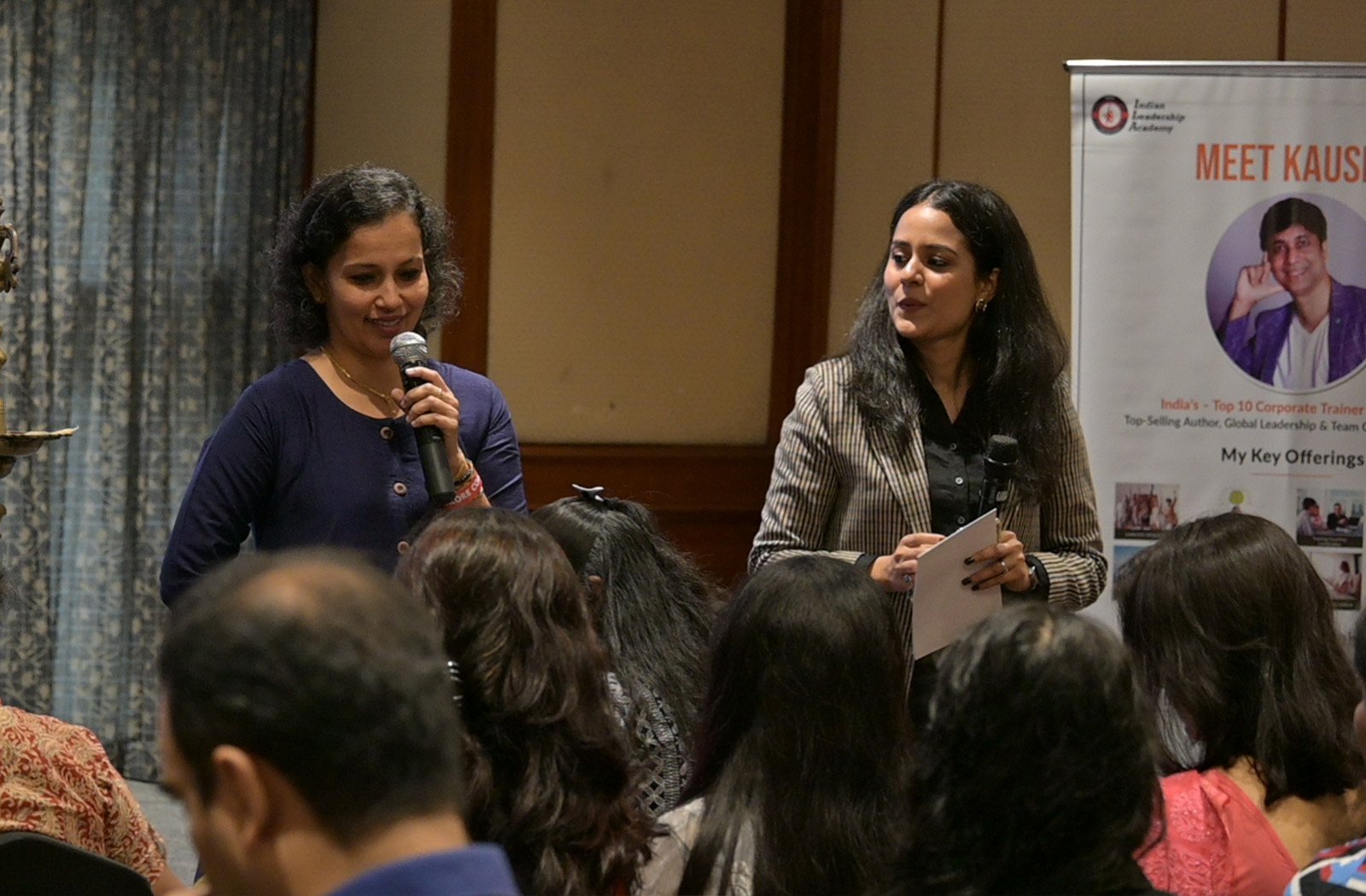
A presenter sticks to the content. A trainer adjusts the room.
Good trainers read people constantly; who’s engaged, who’s holding back, where the conversation needs to go. They don’t rush to finish slides. They slow down when something meaningful is happening and move faster when it isn’t.
That ability to work with the room, not against it, sits at the core of effective soft skills trainer skills.
Soft skills training sounds simple until you try to create actual behavior change. People don’t change because they attended a session. They change when something clicks and when they recognize a pattern in their own behavior.
That requires more than content.
You start noticing things:
The more you understand these patterns, the more your sessions stop being theoretical.
This is one of those skills of a soft skills trainer that isn’t taught directly but becomes obvious with experience.
Corporate participants have a very simple filter “How is this useful to me?”. The moment they don’t see the connection, attention drops.
Strong trainers don’t stay in abstract ideas for long. They keep bringing discussions back to situations people deal with every day:
You don’t need dramatic examples. You need familiar ones. That’s what keeps the room with you.
Early in the journey, there’s a tendency to over-explain, use big words, or pack too much into a session. It feels like you’re adding value.
Most of the time, you’re adding noise.
The trainers people remember are usually the ones who made things simpler, not more complex. They explain ideas in a way that sticks and sometimes through a story, sometimes through a question, sometimes just by saying less.
Clarity travels much further than vocabulary.
Not every session is smooth.
Someone might disagree openly. A participant might disengage completely. A conversation might go off track.
These moments test you more than your prepared content ever will. Good trainers don’t get defensive. They don’t try to “win” the room. They listen, respond, and bring the focus back without making it uncomfortable.
This is where emotional intelligence quietly does its job and why it remains one of the most underrated qualities of a good trainer.
The session may feel conversational, but it’s rarely random. There’s always some thought behind:
Without that structure, sessions drift. With it, even simple conversations feel meaningful.
This is where many aspiring trainers underestimate the role of design. Training is not just delivery, it’s how you build the experience from start to finish.
The trainers who last in this field don’t usually make a lot of noise about it.
They observe. They tweak things. They notice what worked and what didn’t.
Sometimes it’s a small change like how you frame a question, when you pause, how you handle a response. Over time, these small adjustments compound.
There’s no finish line here. The work keeps evolving.
If you’re working towards becoming a trainer, it helps to get one thing clear early: this is not a speaking role.
It’s a responsibility.
People walk into your sessions carrying real workplace challenges. Sometimes they’re not even fully aware of them. What you do in those few hours can either stay as another session they attended, or become something they actually take back and use.
That difference doesn’t come from content alone. It comes from how you see the role.
If you treat training as a craft, something you keep refining, observing, and improving, you’ll start noticing the shift. Not immediately, but gradually. And over time, that’s what builds credibility in this field.