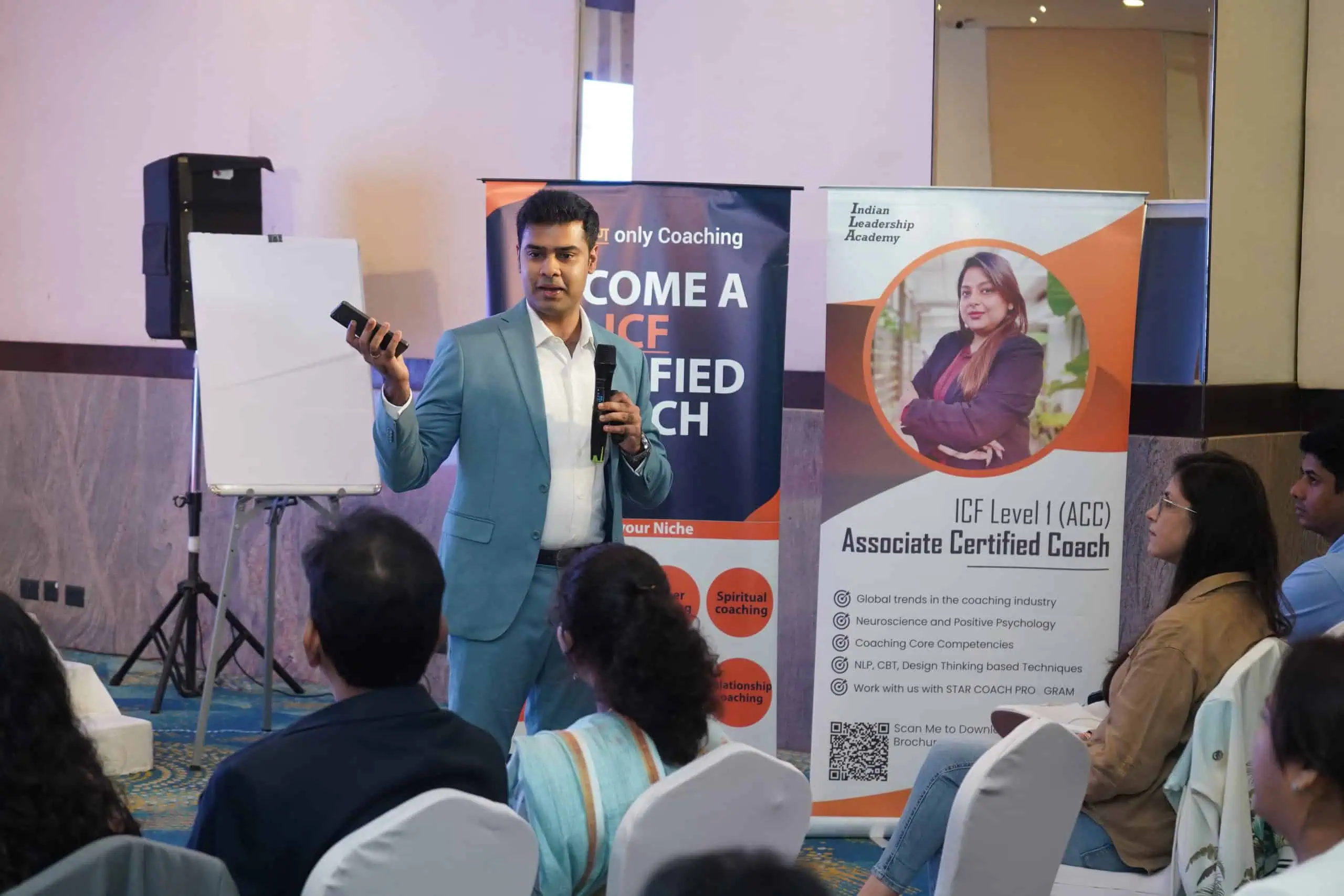
Starting a career in coaching often begins with a sense of excitement—you’ve discovered a profession where you can create impact, guide transformation, and build a purpose-driven career. But once you begin researching Life Coach Certification India, that excitement quickly turns into confusion. Every institute claims to be “premium,” every course promises “global standards,” and every website lists dozens of credentials you may not even understand yet. And for beginners, the biggest question is not “Which is the cheapest?” or “Which is the fastest?” It is: Which certification will truly shape me into a credible, skilled, and future-ready coach?
This blog breaks down exactly how to choose the Best Life Coach Certification in India for your career goals; so you can invest your time, money, and energy in a program that meaningfully supports your long-term growth.
Life coaching is no longer an unstructured, motivational field. In 2026 and beyond, it will be highly valued because:
According to the International Coaching Federation (ICF), the global coaching industry is now valued at USD 20 billion, with India being one of the fastest-growing hubs. This means your certification isn’t just a learning milestone, it directly affects your employability, client trust, and earning potential.
Accreditation is the backbone of a credible coaching certification. It tells you whether a program follows global standards of coaching ethics, training methodology, mentoring, and skill development.
Many beginners skip this step and later realize their certification is not recognized by organizations, clients, or international bodies.
What to Look For
Why Accreditation Matters
If your goal is long-term success, accreditation is non-negotiable.
Every coaching aspirant has a different purpose and the best life coach certification for you depends on what you want to achieve in the next 3–5 years.
Match Your Certification to Your Path
Questions to Ask Yourself
Clarity of goals will narrow down your certification choices significantly.
A good coaching certification goes far beyond motivational techniques or surface-level coaching frameworks. Look for depth, structure, and true competency development.
A Strong Curriculum Should Include
Warning Signs of a Weak Program
A powerful curriculum builds your coaching mindset and your coaching muscles.
In coaching, the trainer is the biggest differentiator. A highly certified mentor coach can shape your coaching foundation, challenge your thinking, and elevate your confidence.
What to Check
Your trainer will influence your coaching identity more than the institute’s brand.
The Indian coaching industry has certifications ranging from ₹10,000 to ₹2,00,000 and beyond. But the cost difference usually reflects:
A high-quality certification is an investment, not an expense.
One of the biggest gaps for new coaches is confidence. A strong certification solves this by giving you actual coaching experience before you step into the market.
Look for Programs That Offer
Many professionals choose a certification but struggle later because they don’t know how to get clients, set pricing, or build visibility. Institutes with genuine post-certification support bridge that gap.
Look for Support Like:
A great certification does not leave you after the last class; it supports your entire coaching journey.
Becoming a life coach is one of the most fulfilling career paths but it demands clarity, research, and the right training foundation. The best life coach certification in India is not the one with the flashiest marketing or the lowest price; it’s the one that aligns with your career goals, learning style, and long-term aspirations.
If you choose wisely, your certification will not only make you a credible professional but it will shape your entire coaching identity.